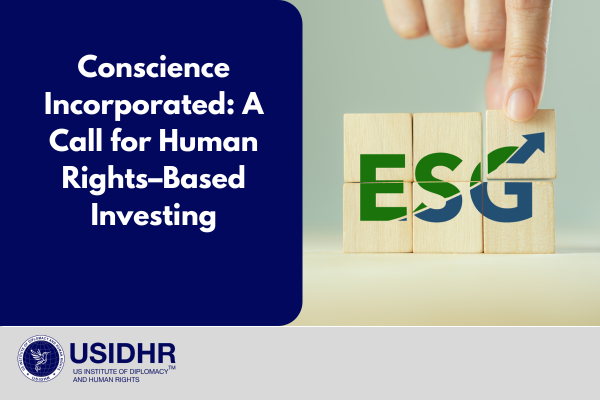
Conscience Incorporated: A Call for Human Rights–Based Investing
Conscience Incorporated calls for a transformation in how businesses approach human rights, urging companies to go beyond surface-level ESG commitments and embrace reforms that align profit with ethical responsibility.
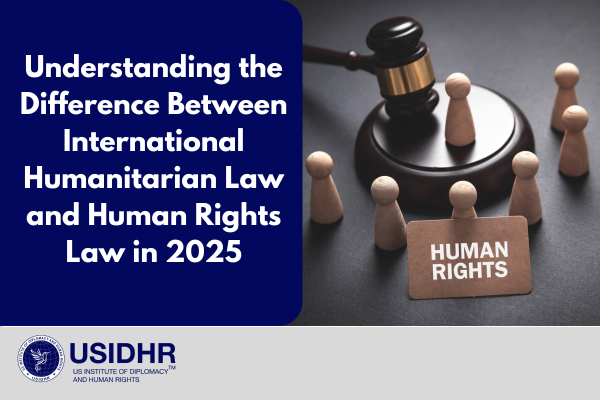
Understanding the Difference Between International Humanitarian Law and Human Rights Law in 2025
This article distinguishes International Humanitarian Law (for armed conflicts) from Human Rights Law (applies always), using the 2025 Russia-Ukraine prisoner exchange to show how both frameworks protect human dignity.
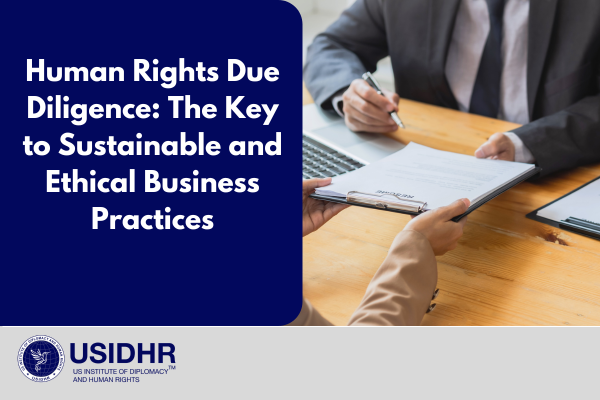
Human Rights Due Diligence: The Key to Sustainable and Ethical Business Practices
This article explains the importance of Human Rights Due Diligence (HRDD) in business, covering compliance, risk management, and ESG benefits with USIDHR’s support.
President Trump’s Executive Order on DEI Programs: What It Means for Human Rights and Equality
President Trump’s executive order on DEI programs sparks debate on human rights and equality. Are universal principles enough without DEI initiatives?
How Covenantal Pluralism Can Transform Global Human Rights Practices
In an increasingly interconnected world, the pursuit of universal human rights is often hindered by cultural, religious, and ideological divides. Covenantal Pluralism offers a transformative framework to bridge these divides.
How to Become a U.S. Diplomat: Guide to the Foreign Service Exam
Embarking on a career as a U.S. diplomat is a noble and challenging path that starts with passing the Foreign Service Exam. This rigorous examination is your
The Role of Protocol in Modern Diplomacy
The Role of Protocol in Modern Diplomacy
Diplomatic protocol plays a crucial role in fostering respectful and effective international relations.
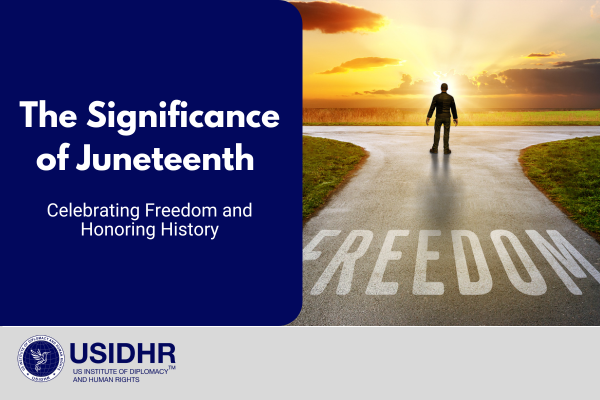
The Significance of Juneteenth: Celebrating Freedom and Honoring History
The Significance of Juneteenth: Celebrating Freedom and Honoring History 5 min read Why is Juneteenth Important? Juneteenth, also known as Emancipation Day, Freedom Day...
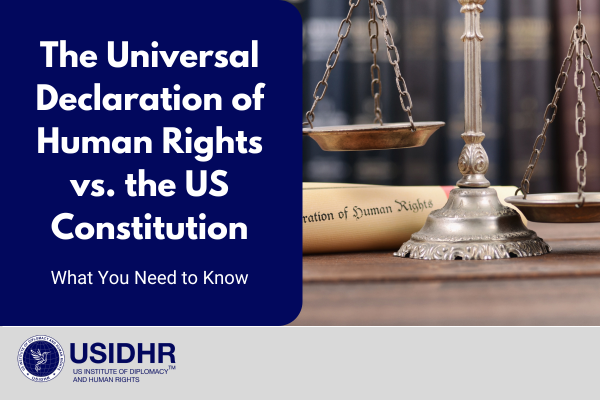
The Universal Declaration of Human Rights vs. the US Constitution: What You Need to Know
The Universal Declaration of Human Rights vs. the US Constitution: What You Need to Know 4 min read The Universal Declaration of Human Rights, adopted
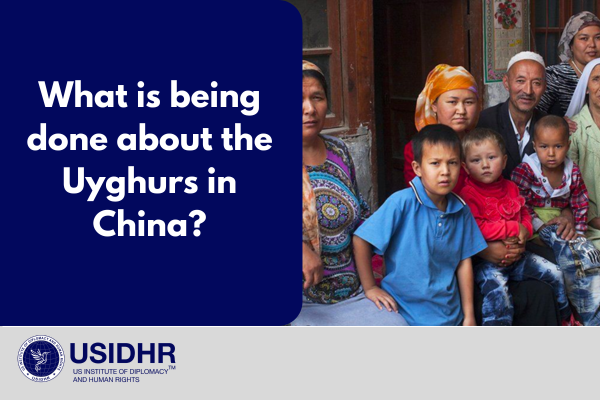
What is being done about the Uyghurs in China?
What is being done about the Uyghurs in China? 7 min read In a modern-day colonial project, the Chinese government is committing genocide and
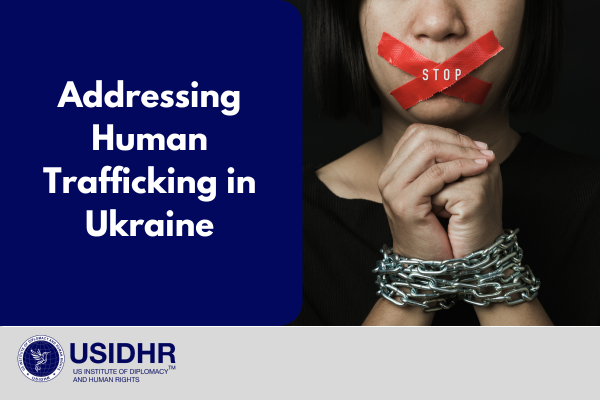
Addressing Human Trafficking
in Ukraine
Addressing Human Trafficking in Ukraine 7 min read As the conflict between Russia and Ukraine rages on, increased displacement makes millions of individuals vulnerable
What is Digital Citizenship and Why is it Important?
What is Digital Citizenship and Why is it Important? 7 min read The Covid-19 pandemic led to business and school closures which increased technology use
How Did the Global COVID-19 Pandemic Impact Women and Girls?
How Did The COVID-19 Pandemic Impact Women and Girls Globally? 7 min read Despite significant strides in female empowerment, women are often casualties of health
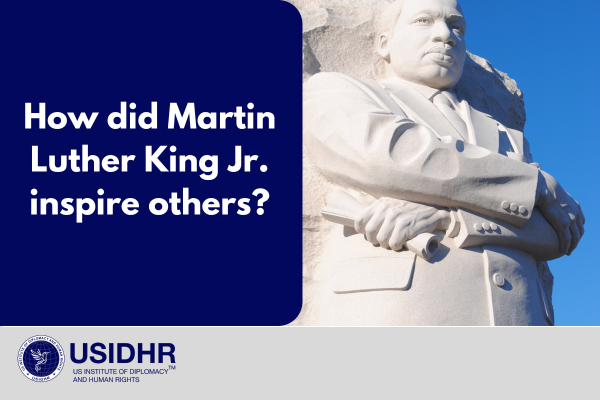
How did Martin Luther King Jr. inspire others?
How did Martin Luther King Jr. inspire others? 7 min read Martin Luther King Jr. is perhaps one of the most prolific figures of our
The Significance of the International Day of Tolerance
The word “tolerance” may seem like it became cliché or overused. What is somewhat unbeknownst of tolerance is the power it truly holds.
Who Do You Belong To? Short Review of Statelessness in the UK
Share on facebook Share on twitter Share on linkedin Under Article 15 of the Universal Declaration of Human Rights, everyone has a right to ...
Tackling Violence Against Women in The Northern Triangle of Central America (NTCA)
The Northern Triangle of Central America (NTCA) is considered the most violent region in the world. Countries such as El Salvador, Honduras, and Guatemala have some of the highest homicide rates globally.
Roma and Sinti Statelessness
in Germany
What is Statelessness? Article 15 of the UN Declaration of Human Rights states that every person has the right to a nationality, that no one shall be arbitrarily deprived of a nationality, nor denied the right...
Addressing Climate Refugees and Displacement Involving Island Nations
Climate change – and climate displacement – are not merely threats of the future, but are already part of life for the inhabitants of drowning or sinking island nations now (though they are projected to become....
Human Trafficking: A Foundational Cheat Sheet
Picture Credits: Kindel Media Human trafficking is one of the hardest crimes to both detect and prosecute. John Vanek, author, and consultant on the collaborative
A Brief History of Human Rights Documents Throughout Time
How did human rights come about? A Brief History Overtime 12 min read It was only 100 years ago that in the
What is the most violated Human Right in America?
Picture: Jenny Chiang (front left), Jessica Wong (center), and Sheila Vo (front right) of Massachusetts’s Asian American Commission at a protest in front of the
What is the importance of human rights to law enforcement?
“In the performance of their duty, law enforcement officials shall respect and protect human dignity and maintain and uphold the human rights of all persons.”
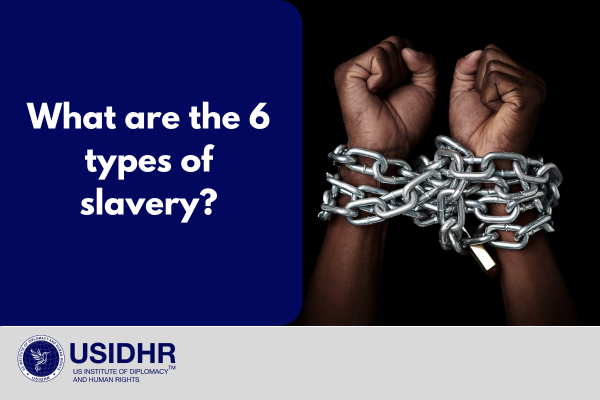
What are the 6 types of slavery?
Image credit: Travis Saylor Slavery. A term you have probably heard of and is often associated with the past, however, this violation of human right
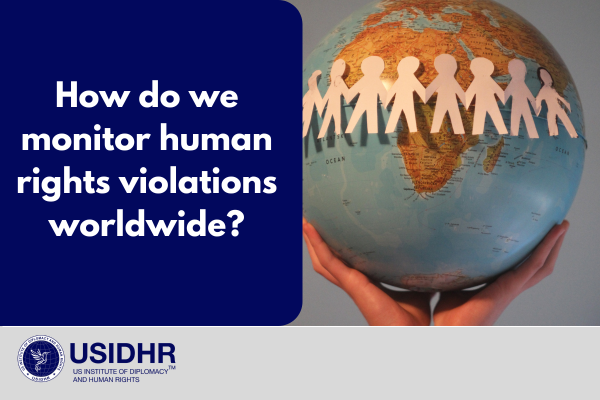
How do we monitor human rights violations worldwide?
Image credit: Blogtrepreneur As enshrined in the Universal Declaration of Human Rights (1948), we are all entitled to human rights which protect our freedoms and
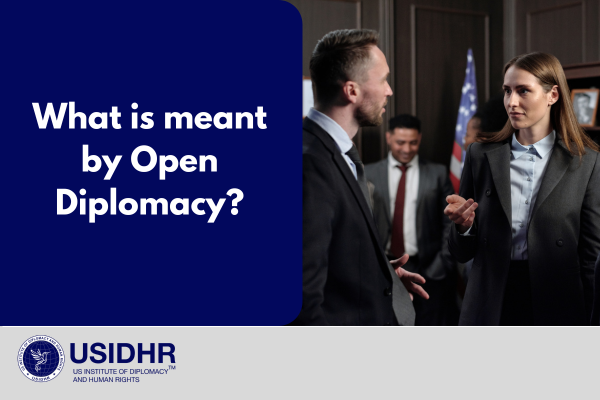
What is meant by Open Diplomacy?
Open diplomacy is not intended to be a substitution for traditional diplomacy. Open diplomacy is nongovernmental, informal, and involves unofficial interactions and
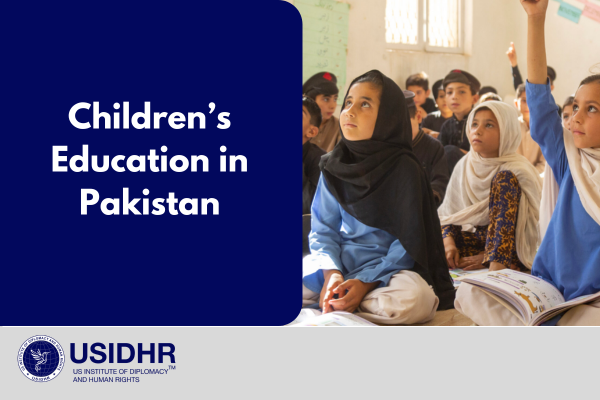
Children’s Education in Pakistan
Image by David Mark from Pixabay The significance of children receiving primary education is extremely underrated. In order for young people to move forwards in
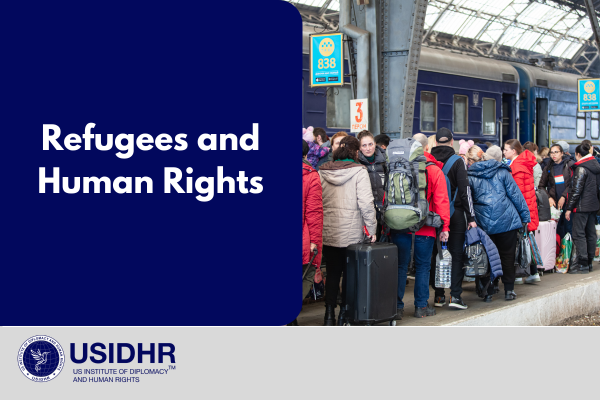
Refugees and Human Rights
Image credit: Marco Verch What do Albert Einstein, Jackie Chan, and the Dalai Lama all have in common? The answer: They were all refugees. Sadly
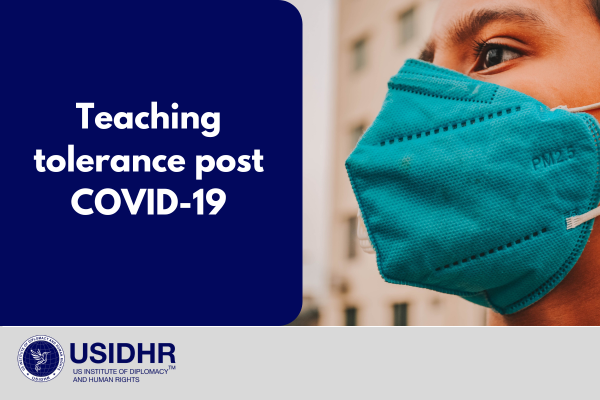
Teaching tolerance post Covid-19
Image credit: 김컴맹딸 The rise of Covid-19 has also resulted in the rise of hate crimes against certain ethnic groups and members of society. False

What is Cloud Diplomacy?
Diplomacy changed considerably during the twentieth century. The word ‘diplomacy’ strictly described any face-to-face contact between the governments of one nation
How to Work in Human Rights
Human rights movements are extremely popular today, and many are somewhat familiar with these two words; whether you’ve heard them at home, with your friends,
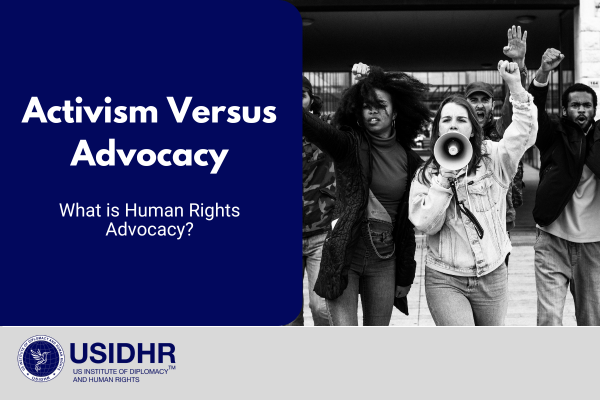
Activism Versus Advocacy: What is Human Rights Advocacy?
From our training sessions and working within our student community, we have found that there is a common misconception regarding the terms activist and advocate.
Can We Reclaim the Night?
Violence against women is worryingly normalized, to the extent that women are being conditioned to protect themselves using anything at their disposal from a very
Human Rights vs Civil Rights
Human rights and Civil Rights. Two key terms within the sphere of diplomacy and development which you have probably heard of, but what do they
Youth-Led Diplomacy in International Organizations
What is youth-led diplomacy? As a young advocate for women’s rights, I’ve recently invested more time in understanding how I can do my part to
Education for children – Advocating for the right to education
The right to education has been recognized as a human right in a number of international conventions, including the International Covenant on Economic, Social and
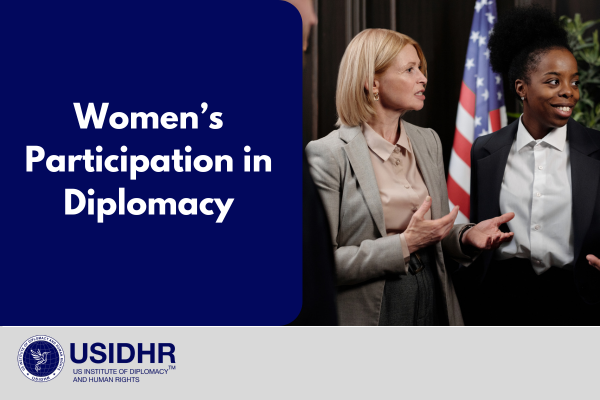
Women’s Participation in Diplomacy
Diplomacy is the art of dealing with people in a sensitive and effective way. Despite the purpose that diplomacy carries, advocating equal rights for all, the
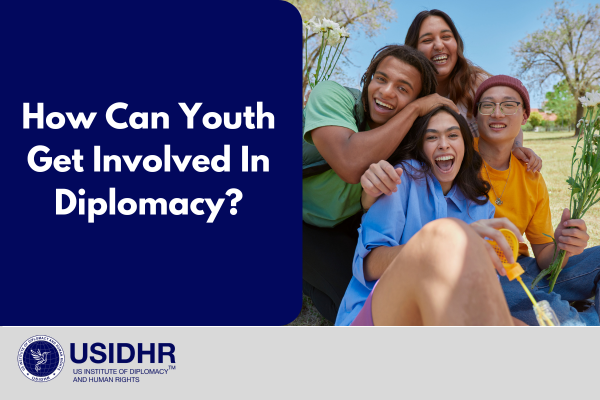
How Can Youth Get Involved In Diplomacy?
Firstly, I think it is very important to understand the meaning of diplomacy. Diplomacy: the art and practice of conducting negotiations between nations; skill in handling
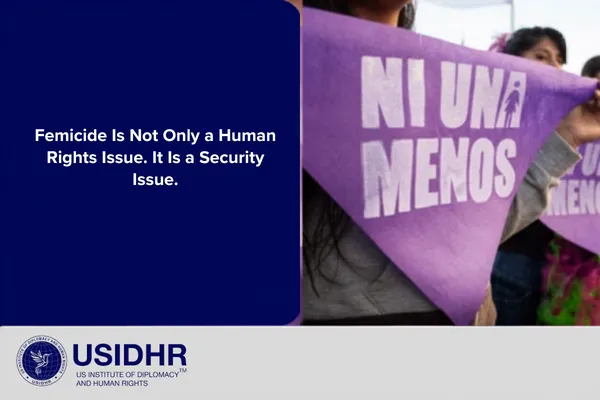
Femicide Is Not Only a Human Rights Issue. It Is a Security Issue.
Policy Commentary | Global Security | Violence Against Women
Key Takeaways
• Femicide should be understood not only as a human rights violation but also as a governance and security challenge.
• Gender-related killings follow patterns distinct from most homicide dynamics and require targeted prevention systems.
• Lessons from Latin America show that legal recognition, institutional capacity, and coordinated policy responses are essential to prevent femicide.
Introduction
Violence against women is widely recognized as one of the most pervasive human rights challenges worldwide. Among its most extreme manifestations is femicide, the gender-related killing of women and girls. Yet the way policymakers frame femicide matters. When treated solely as a human rights or social issue, the broader implications for governance, institutional stability, and public security often remain overlooked.
Drawing on firsthand policy experience during the adoption of the Inter-American Model Law on the Prevention, Punishment and Eradication of the Gender-Related Killing of Women (Femicide/Feminicide) at the Organization of American States in Washington, DC, it became clear to me that the persistence of femicide often reflects deeper weaknesses in governance systems, institutional capacity, and prevention frameworks. These policy discussions highlighted an important reality. Preventing gender-related killings requires not only legal recognition but also effective institutions capable of protecting vulnerable populations.
A Global Policy Challenge
Across regions of the world, violence against women remains widespread. Globally, tens of thousands of women are killed every year because of their gender.[1] Even in regions with relatively low homicide rates, gender-related killings remain a persistent policy challenge.
In the European Union, survey data indicate that one in three women has experienced physical violence, sexual violence, or threats during her lifetime, while Eurostat estimates that 18 women die every week as victims of femicide across the EU.[2][3]
Similar patterns exist in other regions. In the United States, thousands of women are killed every year, many in the context of domestic violence or gender-related violence. Despite legal protections and institutional frameworks designed to prevent violence against women, policymakers continue to confront persistent gaps in prevention, coordination, and early intervention.
International frameworks such as the Council of Europe’s Istanbul Convention and national strategies addressing violence against women represent important progress.[4] The European Commission’s recently presented Gender Equality Strategy 2026–2030, announced ahead of International Women’s Day, further reflects the growing political commitment to addressing gender-based violence.[5] Yet legal commitments alone do not guarantee effective prevention.
Across many countries, gender-related killings continue to be recorded simply as homicide or addressed primarily within domestic violence frameworks. While intimate partner violence remains a central driver of femicide, evidence increasingly shows that gender-related killings can also occur in environments shaped by organized crime, human trafficking networks, armed violence, and institutional weaknesses in prevention systems.
Why Femicide Is Also a Governance and Security Issue
When gender-related killings persist despite legal protections, they reveal deeper institutional vulnerabilities. Failures to identify high-risk cases, gaps in protection mechanisms for victims of violence, weak coordination between law enforcement and social services, and insufficient data collection can all contribute to environments in which violence escalates.
In this sense, femicide functions not only as a human rights violation but also as a governance indicator. Persistent gender-related killings signal whether institutions are capable of preventing violence and protecting the lives of women. When prevention systems fail, the consequences extend beyond individual cases and reveal structural weaknesses within governance and security systems.
Recognizing femicide does not diminish the seriousness of other forms of homicide. Men represent the majority of homicide victims worldwide, and many of these killings are linked to organized crime, gang violence, or other criminal activities. Femicide refers to a different pattern of violence. It describes killings in which women are targeted because of their gender or killed in contexts shaped by gender-based violence, often following patterns such as prior domestic abuse or coercive control. These forms of violence are therefore not mutually exclusive, but they reflect distinct risk factors that require different prevention and policy responses.
Understanding femicide through a governance and security lens does not diminish its human rights dimension. Rather, it expands the policy framework through which these crimes are addressed. When femicide is framed only as a private or domestic form of violence, policy responses often remain limited to criminal justice interventions after violence has already occurred.
Recognizing the governance and security implications of femicide highlights the importance of prevention systems, institutional coordination, and early warning mechanisms capable of identifying high-risk cases before violence escalates.
Lessons from Comparative Policy Experience
Lessons from Latin America illustrate both the possibilities and the limitations of legal reform. Over the past two decades, many countries across the region introduced specialized femicide legislation, investigative protocols, and institutional mechanisms designed to address gender-related killings. These reforms improved legal recognition, strengthened investigative frameworks, and increased data visibility.
At the same time, the persistence of high rates of femicide in several countries demonstrates a critical lesson for policymakers. Criminal law alone cannot prevent gender-related killings. Effective responses require coordinated prevention systems, reliable data collection, institutional accountability, and sustained policy implementation.
These lessons are relevant not only for Europe but also for the United States and other regions confronting similar challenges in preventing violence against women.
As governments continue to strengthen legal frameworks addressing violence against women, the challenge is not only to punish perpetrators but to prevent gender-related killings before they occur. Recognizing femicide as both a human rights issue and a governance challenge is an essential step toward building policies capable of addressing the structural conditions that allow these crimes to persist.
Addressing femicide as both a governance and security challenge requires deeper comparative research and continued dialogue between policymakers, researchers, and international institutions. As governments refine strategies to prevent gender-related killings, evidence-based policy analysis and cross-regional learning will be essential for designing effective prevention systems and strengthening institutional responses.
The analysis presented here draws on the policy brief Femicide as a Global Security Threat: Policy Lessons from Latin America for Europe, which examines how comparative policy experiences can inform responses to gender-related killings.
The full policy brief is available here:
https://usidhr.org/publications/femicideeu
References
[1] United Nations Office on Drugs and Crime (UNODC) and United Nations Entity for Gender Equality and the Empowerment of Women (UN Women). 2024. Femicides in 2023: Global Estimates of Intimate Partner/Family Member Femicides. Vienna and New York: UNODC and UN Women.
[2] European Union Agency for Fundamental Rights (FRA) and European Institute for Gender Equality (EIGE). 2026. Violence against Women Survey Results Across the European Union. Luxembourg: Publications Office of the European Union.
[3] Eurostat. 2026. Gender-Related Killings of Women and Girls in the European Union. Luxembourg: European Commission.
[4] Council of Europe. 2011. Council of Europe Convention on Preventing and Combating Violence against Women and Domestic Violence (Istanbul Convention). CETS No. 210. Istanbul.
[5] European Commission. 2026. Gender Equality Strategy 2026–2030: A Union of Equality for a More Equal, Cohesive and Successful Europe. Brussels: European Commission.


The US Institute of Diplomacy and Human Rights (USIDHR) is an International Continuing Professional Development (CPD) Accredited Organization. Accredited CPD training means the learning activity has reached the required Continuing Professional Development standards and benchmarks. The learning value has been scrutinized to ensure integrity and quality. The CPD Certification Service provides recognized independent CPD accreditation compatible with global CPD requirements
US Institute Of Diplomacy And Human Rights
1250 Connecticut Ave NW Ste 700-5274, Washington, DC 20036





© 2026 US Institute of Diplomacy and Human Rights is a 501(c)(3) organization. Gifts are deductible to the full extent allowable under IRS regulations.